


Forestry England: autumn watch
Climate change may well result in a much warmer and wetter autumn than we're used to and Forestry England wants citizen scientists out there recording leaf fall and colour to help guide our expectations of the seasons
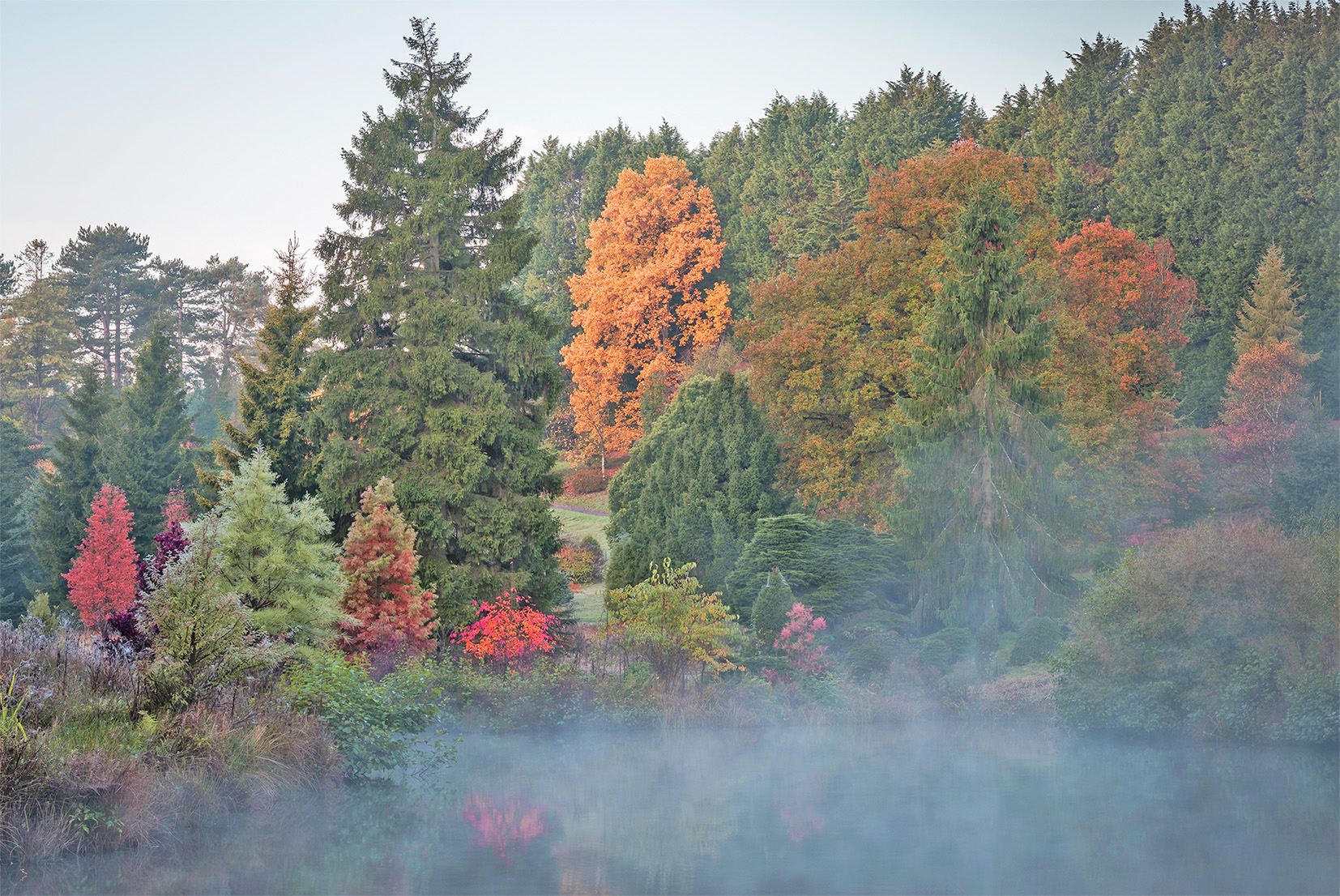
The season of mists and mellow fruitfulness may be upon us, but autumn's looking very different to Keats' time. Forestry England is asking people to get outside and help build a detailed picture of how autumn colour is changing with climate change
This year's autumn leaf watch runs from September to November. It follows a summer that's seen long heatwaves and drought which has put many trees under stress and led some to shed leaves far earlier than would normally have been expected. The data collected by citizen scientists throughout England this year will record the timing and development of autumn while offering everyone the motivation to get outside for a walk in the woods.
While it's too early to know exactly what this year's autumn will look like, rainfall, temperature and soil moisture can all influence the timing and intensity of autumn colour. If conditions become wetter towards the end of summer, some trees could still produce particularly colourful displays.
Chris Sorenson, forest management advisor at Forestry England, says autumn is one of nature’s most spectacular seasonal events, 'but it also gives us a fascinating insight into how the nation’s forests are responding to the world around them. The timing and intensity of autumn colour can vary significantly with weather and growing conditions, and understanding those changes is increasingly important as our climate changes.
'We manage forests for generations, so we have to think long-term about what our forests might look like in the future and how we can make sure they remain healthy and resilient as conditions change. Projects such as autumn leaf watch give us another way to build that picture, while giving people the opportunity to get closer to nature and notice the seasonal changes happening in their local forest.'
Autumn colour develops as trees begin preparing for winter. As daylight hours shorten and temperatures fall, trees gradually stop producing chlorophyll, revealing yellow and orange pigments already there in leaves, while some species also produce red pigments during autumn.
